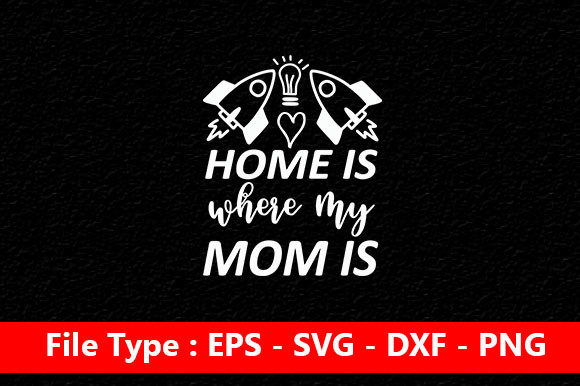
Home is Where Mum Is: A Designer's Review
As a designer who has spent years refining embroidery files for real-world production, I approach every new digital embroidery file with a mix of excitement and skepticism. There is a significant difference between a graphic that looks perfect on a screen and one that translates beautifully into thread. Today, I am evaluating the "Home is Where Mum is" design, a piece categorized under Crafts and Graphics that promises to bring warmth to textile projects. My goal here is not just to describe the file, but to walk you through how this design behaves when it hits the hoop, how it impacts the value of your finished product, and whether it deserves a spot in your commercial inventory.
The First Impression: Mood and Visual Personality
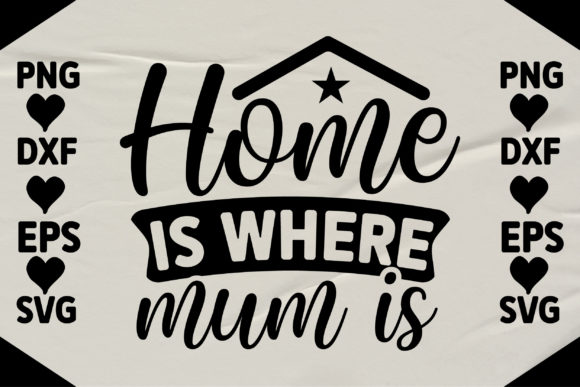
When I first opened the "Home is Where Mum is" design, the immediate feeling was one of genuine sentimentality without being overly cutesy. The layout feels balanced, suggesting a design that respects the negative space around it. For an embroidery project, especially one intended for apparel or home decor, the balance between text and decorative elements is critical. This design seems to lean towards a classic, heartfelt aesthetic that fits perfectly within the realm of personalized gifts or boutique branding.
The typography appears clean, which is a strong indicator of quality for machine embroidery. In my experience, fonts that are too thin or have excessive serifs often get lost in the stitching process, resulting in a muddy finish. However, the visual personality of "Home is Where Mum is" suggests it was built with stitch density and clarity in mind. It creates a mood of comfort and belonging, making it an ideal candidate for items meant to evoke emotion, such as baby clothes, kitchen towels, or nursery decor. It feels like a design that would sit comfortably on a high-quality sweatshirt or a sturdy tote bag, elevating the perceived value of the item instantly.
Real-World Application: From Screen to Stitch
To truly understand the utility of this design, let's imagine a specific scenario. You are preparing a custom order for a client who wants a gift set for Mother's Day. The package includes a canvas tote bag and a matching tea towel. You select "Home is Where Mum is" as the centerpiece for both items. How does it perform?
On a tote bag, the design likely acts as a focal point. The phrase carries a weight that resonates with buyers, turning a simple canvas bag into a statement piece. The embroidery adds texture and durability that print cannot match. If you are an Etsy seller or running a small shop product line, this design offers high recognition potential. Customers scanning your listings will stop because the phrase is relatable, and the embroidered look signals quality craftsmanship. The finished product gains a professional sheen that builds customer trust immediately.
Consider also using this design on a baby onesie or a pillow cover. The softness of the embroidery against a baby garment is a key selling point for handmade products. Unlike a stiff vinyl transfer, the thread allows the fabric to breathe. When placed on a pillow cover or a holiday gift basket, the design adds a layer of sophistication. It transforms a generic item into a bespoke asset. Whether you are creating an embroidered patch for a denim jacket or decorating a cap, the versatility of "Home is Where Mum is" shines. It bridges the gap between a casual hobbyist project and a polished commercial embroidery service.
Navigating Technical Challenges and Fabric Choices
While the design has strong potential, no single file works everywhere. As an experienced reviewer, I must highlight where caution is required. The success of "Home is Where Mum is" depends heavily on your choice of fabric and hoop size. If you attempt to stitch this on a very small hoop size, you might find that the lettering becomes cramped, losing its legibility. Tiny details in the corners of letters can sometimes collapse if the stitch density is too high for the fabric type.
Fabric texture plays a massive role in the final outcome. On textured fabrics like chunky knits or heavy waffle weaves, the design might sink in slightly, altering the visual impact. Conversely, on thin fabrics like light cotton or silk, there is a risk of puckering if the stabilizer isn't chosen correctly. Stretchy fabrics, such as those used for fitted t-shirts or athletic wear, require careful testing. The tension of the satin stitch could distort the material, causing the words to warp after washing.
Dark fabrics present another consideration. If the design relies on light-colored threads, you may need a backing or a specific color strategy to ensure contrast. Dense stitch areas can be tricky; if the design uses too much fill stitch in a small area, it might become stiff and uncomfortable to wear. Additionally, products that need frequent washing, like aprons or children's clothing, demand a robust stitch structure. If the design has delicate running stitch accents, they might fray over time unless reinforced properly. Always inspect the design for tiny lettering before committing to a large run.
Impact on Brand Consistency and Product Value
In the world of craft business and digital product sellers, consistency is everything. Using a well-executed design like "Home is Where Mum is" reinforces brand identity. When customers receive a finished product that looks sharp and professionally stitched, they are more likely to return for future orders. The design affects visual appeal by adding a tactile dimension that flat graphics lack. This distinction is crucial for boutique branding, where the story behind the item matters as much as the item itself.
A high-quality embroidery file contributes to buyer engagement. People love seeing the texture of thread in their photos and videos. When you create printable mockups for your online store, showing off the depth of the "Home is Where Mum is" design can drive sales. It signals that you care about detail, which translates to higher price points and better profit margins. However, if the design fails to stitch cleanly, it can damage your reputation. Therefore, the decision to use this design should be based on confidence in its technical execution.
Practical Notes for the Embroidery Designer
Before you rush to start a commercial embroidery project with this file, there are essential steps to take. First, always test the design on scrap fabric that matches your intended project material. This is non-negotiable. Check the thread color contrast to ensure the text pops against the background. Review the stitch density settings in your software; if the design feels too heavy, consider adjusting the underlay or reducing the fill density.
Confirm the hoop size requirements. If the design is larger than your standard hoops, you may need to reposition it, which can introduce alignment issues. Inspect small details closely; sometimes, what looks fine on a monitor becomes illegible in thread. Test the design in black and white mockups to see if the contrast holds up without color distractions. Compare how it looks on both light and dark fabric backgrounds to anticipate variations.
Using proper stabilizer is critical for preventing puckering and ensuring the design sits flat. Don't forget to check whether the design works for both personal and commercial projects. Licensing terms vary wildly among creators. Since the product description mentions the creator is a graphic designer from Bangladesh with three years of experience, it is vital to verify the specific license agreement provided with the download. Ensure you have the rights to sell finished items made from this design if you plan to use it for a small shop product or Etsy listing.
Finally, compare light and dark fabric scenarios and use proper stabilizer techniques. By following these practical steps, you ensure that "Home is Where Mum is" delivers the emotional impact and professional finish it promises. Whether you are a hobbyist looking to make a unique gift or a serious entrepreneur building a line of custom apparel, taking the time to evaluate the design thoroughly will pay off in the quality of your finished product.