Vintage 1956 Almost All Original Parts Review
When I first opened the Vintage 1956 Almost All Original Parts design file, my immediate thought wasn't about the technical specs or the file format. It was about the personality. There is a specific mood that a well-executed vintage aesthetic brings to a project, and this one hits that sweet spot between nostalgic charm and modern wit. As someone who has spent years turning digital files into tangible, stitched goods for clients and personal gifts, I know that not every graphic translates well to thread. Some designs look great on a screen but fall apart under the needle. This particular piece, however, feels like it was born to be embroidered.
The First Stitch: Visual Impact and Mood
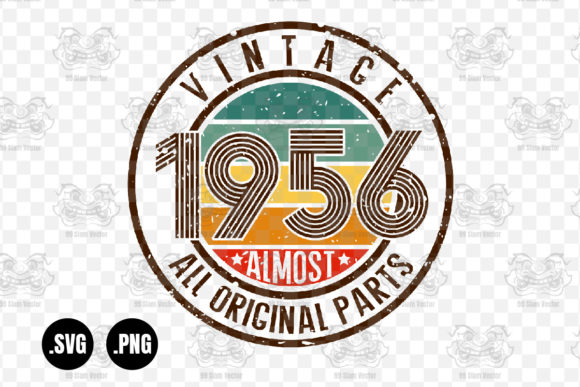
The phrase "Almost All Original Parts" paired with the year 1956 creates an instant narrative. It suggests longevity, resilience, and a touch of humor about aging. For a designer looking to create a personalized gift or a boutique product, this is gold. The layout appears balanced, likely utilizing a classic serif font that evokes mid-century signage. In the world of machine embroidery, typography is everything. If the letter spacing is too tight, the stitches will crowd each other; if it's too loose, the message gets lost. From what I can discern in the preview, this design respects the space around the letters, which is crucial for maintaining readability once the thread density is applied.
The visual appeal here lies in its simplicity. It isn't trying to be a complex floral scene or a detailed landscape. Instead, it relies on strong lines and clear text. This makes it incredibly versatile. Whether you are working on a tote bag design for a craft fair or creating a custom sweatshirt for a family reunion, the clean lines ensure the design won't get lost in the fabric texture. It projects a sense of professionalism that elevates any handmade product it adorns.
Real-World Application: From Screen to Sweatshirt
Let's talk about how this would perform in a real-life scenario. Imagine I am preparing for a busy holiday season. My goal is to create a line of small shop products that feel unique but are quick to produce. I decide to use Vintage 1956 Almost All Original Parts on a heavy cotton canvas tote bag. The contrast between the dark canvas and a cream-colored thread would make the design pop. Because the design is relatively compact, it fits perfectly on the front pocket of the bag without requiring a massive hoop setup.
However, consider a different project: a baby item. A onesie or a soft knit blanket for a child born in 1956 (or perhaps a humorous gift for a parent celebrating their 68th birthday). Here, the design takes on a different role. It becomes a conversation starter at the dinner table. The humor resonates because it acknowledges age with grace rather than cynicism. When used as an embroidery project on delicate fabrics, the design's clean edges prevent the fabric from puckering, provided the correct stabilizer is used. It adds a layer of perceived value to the finished product, making a simple garment feel like a curated piece of art.
I also see potential in using this for commercial embroidery on workwear. An apron for a baker or a chef could feature this quote, adding a playful nod to experience. The durability of the stitch pattern, assuming standard densities, means it will withstand frequent washing, which is essential for items like kitchen towels or aprons that see daily use.
Where Caution is Required
While this design is promising, no single file is a magic bullet for every situation. As an experienced reviewer, I have to point out where you might run into trouble. One area to watch closely is the hoop size. If you attempt to shrink this design down significantly to fit a tiny cap brim or a small patch, the details might become muddy. The curves in the letters need enough room to breathe. If you are working with a small hoop, test the scaling carefully before committing to a final run.
Fabric choice is another critical factor. While this design works beautifully on stable fabrics like denim, canvas, or twill, it requires careful consideration on stretchy materials like jersey or thin knits. Without proper stabilizer, the tension of the satin stitch could distort the fabric, causing the text to wobble. Similarly, on textured fabrics like bouclé or thick fleece, the definition of the lettering might be lost. You want the thread to sit on top of the fabric, not sink into the weave.
Dark fabrics present their own challenge. If the design includes fine white or light-colored threads, they might get swallowed by the background unless a high-quality underlay is used. Always check the thread colors against your fabric swatches. A design that looks crisp on a white monitor can look dull on a navy shirt if the contrast isn't managed correctly. Additionally, avoid placing this on curved surfaces like baseball caps without adjusting the digitization for curvature, as straight lines can appear distorted when wrapped around a curve.
Design Notes for the Practical Maker
Before you start stitching, there are a few practical steps to ensure success. First and foremost, always test the design on scrap fabric first. This is non-negotiable. Run a test on the same material you plan to use for the final product to check for puckering, thread breaks, or color clashes. Check the stitch density; if the fill areas are too dense, the fabric will become stiff and uncomfortable. If they are too sparse, the coverage will look uneven.
Review the small details in the file. Sometimes, intricate flourishes or tiny serifs can disappear entirely in the stitching process. If the design includes decorative accents, ensure they are large enough to hold their shape. I also recommend creating a printable mockup in black and white to visualize the negative space and overall balance before you ever load the bobbin. Compare how the design looks on both light and dark backgrounds to ensure versatility.
Licensing is another aspect that cannot be overlooked. If you intend to sell finished items featuring Vintage 1956 Almost All Original Parts, you must confirm the commercial license terms. Many digital embroidery files come with restrictions on the number of units you can sell or may prohibit selling the digital file itself. Verify these terms to protect your craft business and avoid legal issues. Ensure you understand whether the purchase allows for end-product sales or if it is strictly for personal use.
Final Thoughts on Value and Trust
In the competitive world of Etsy sellers and handmade shops, the quality of your embroidery speaks volumes about your brand. A well-executed design like this one builds customer trust and enhances brand consistency. It shows that you care about the details, even in the smallest elements. When a customer receives a gift with a sharp, clear, and professionally stitched design, they are more likely to engage with your brand again.
Vintage 1956 Almost All Original Parts offers a perfect blend of humor, nostalgia, and style. It is a design asset that can elevate everything from a simple baby embroidery outfit to a sophisticated holiday gift. By paying attention to fabric selection, stabilization, and testing, you can ensure that this design performs flawlessly in your hands. It is a smart addition to any designer's library looking to add a touch of vintage flair to their collection of graphics and crafts.