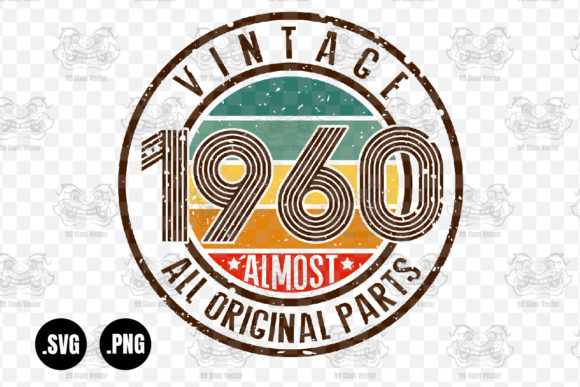
Vintage 1960 Almost All Original Parts Embroidery Review
As a designer who spends more time than I care to admit staring at stitch charts and troubleshooting tension issues, I approach every new machine embroidery design with a healthy dose of skepticism. The market is flooded with digital assets, but few translate cleanly from screen to fabric. When I first pulled up the file for Vintage 1960 Almost All Original Parts, my immediate question was simple: does this actually work as a viable asset for a serious craft business, or is it just another decorative graphic that looks nice in a mockup but fails under the needle?
This piece falls squarely into the Crafts category, specifically within the Graphics type, offering both SVG and PNG formats. While these vector formats are excellent for vinyl cutting and printing, my primary focus here is evaluating its potential as an embroidery file. If you are an Etsy seller, a small shop product creator, or a hobbyist looking to elevate your handmade product line, understanding how this design behaves on fabric is crucial before you commit to production.
First Impressions: Mood and Visual Personality
The phrase "Almost All Original Parts" carries a specific cultural weight. It taps into the nostalgia of the early 1960s while adding a layer of self-deprecating humor that resonates deeply with modern audiences. Visually, the design feels sturdy. It isn’t overly delicate or fussy, which is a relief. Many vintage-inspired designs suffer from excessive detail that turns into a muddy mess when stitched at small sizes.
The layout suggests a strong typographic focus. This is critical for custom apparel like sweatshirt embroidery or tote bag design projects where legibility is king. The mood is playful yet timeless, making it suitable for a wide range of recipients. Whether you are targeting a milestone birthday gift or creating inventory for a general audience, the design strikes a balance between cute and cool. It doesn’t scream "novelty"; instead, it whispers "classy wit," which often commands a higher price point in the craft business.
Real-World Application: From Screen to Stitch
To truly judge this design, we have to imagine it in use. Let’s say you are preparing a batch of personalized gifts for a client’s 60th birthday. You decide to embroider this quote onto a high-quality canvas tote bag. Here is how I see the execution playing out.
The design’s robust lettering would hold up well against the thick weave of canvas. However, if you were to move this to a softer substrate, like a baby embroidery project on a onesie or a muslin blanket, you would need to be careful. The text might feel slightly heavy if not digitized with appropriate negative space. For a patch application, this design shines. The clear boundaries make it ideal for an applique design technique, where a contrasting background fabric is stitched down, followed by a satin border around the text. This adds dimension and protects the edges from fraying, significantly boosting the perceived value of the finished product.
I also envision this working exceptionally well for holiday embroidery items, such as kitchen towels or aprons. The humor translates well to domestic goods, turning a standard utility item into a conversation starter. For commercial embroidery purposes, this design has broad appeal. It is gender-neutral enough to fit unisex clothing lines and specific enough to serve as a targeted marketing tool for baby boomers celebrating their golden anniversary or retirement.
Where Caution Is Required
No design is perfect for every scenario. There are specific contexts where Vintage 1960 Almost All Original Parts requires careful handling:
- Small Hoop Sizes: If you attempt to stitch this in a very small hoop (under 4x4 inches), the lettering may become cramped. Ensure your hoop size allows for adequate spacing between letters to maintain readability.
- Textured Fabrics: Avoid using this on heavily textured materials like bouclé or thick chenille unless you are using a substantial stabilizer. The needle penetration could cause distortion, blurring the crisp lines of the typography.
- Stretchy Fabrics: Knits require stabilization. Without proper support, the stitch density can pucker the fabric, ruining the clean look of the quote.
- Dense Stitch Areas: If the design includes heavy fill stitches behind the text, it may become too stiff for lightweight garments like thin t-shirts. In such cases, consider reducing the thread count or using a lighter touch in the digitizing phase.
- Curved Surfaces: Applying this to caps or hats requires a curved hooping technique. Ensure the design is scaled correctly to account for the curvature of the cap front, otherwise, the text may appear distorted.
Technical Considerations for the Designer
Before integrating this asset into your workflow, there are several technical checks every professional should perform. First, always test the design on scrap fabric that matches the final garment in weight and fiber content. This helps you dial in your thread colors and tension settings.
Inspect the running stitch details closely. Are they clean? Do they anchor properly? Check the satin stitch borders for any gaps or overlaps that could lead to thread breaks during high-speed machine operation. It is also wise to view the design in black and white on your computer monitor. This removes the distraction of color and helps you evaluate the balance of positive and negative space.
Consider the fabric texture of your target market. A matte cotton twill will show the texture of the threads beautifully, enhancing the vintage aesthetic. In contrast, a shiny polyester blend might reflect light differently, potentially washing out subtle shading if the design includes it. Always confirm whether the included files are intended for personal use only or if they grant commercial rights for selling finished items. As a digital product seller or creative entrepreneur, protecting your intellectual property and respecting licensing terms is non-negotiable.
Impact on Brand and Customer Trust
Using a well-executed design like Vintage 1960 Almost All Original Parts directly impacts customer trust. Buyers associate clean stitching and thoughtful design choices with professionalism. When a customer receives a handmade product where the embroidery is centered, stable, and visually appealing, they are more likely to leave a positive review and return for future purchases.
This design enhances brand consistency by offering a recognizable theme. If your shop focuses on retro-inspired humor, this asset becomes a staple in your design assets library. It supports printable mockups effectively, allowing you to showcase the product digitally before committing to physical production. The visual appeal drives engagement, as customers appreciate designs that are both aesthetically pleasing and emotionally resonant.
Final Verdict
Vintage 1960 Almost All Original Parts is a versatile and charming addition to any designer’s toolkit. Its strength lies in its clarity and universal appeal, making it suitable for everything from custom apparel to nursery decor. While it demands respect for fabric types and stabilization techniques, the payoff is a high-quality embroidery project that stands out in a crowded marketplace.
For crafters and makers looking to add a touch of wit and warmth to their creations, this design delivers. Just remember to test thoroughly, choose your fabrics wisely, and let the quality of your execution speak for itself. Whether you are crafting a single personalized gift for a loved one or building a catalog of small shop products for online sale, this file offers the flexibility and charm needed to succeed.